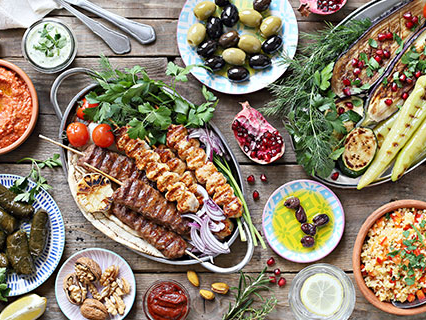

Mediterranean-Style Nutrition Meal Plan
Look to modify diet to equal these Macro ratios:Carbs: 55%Protein: 20%Fat: 25%
Mediterranean diet basics:
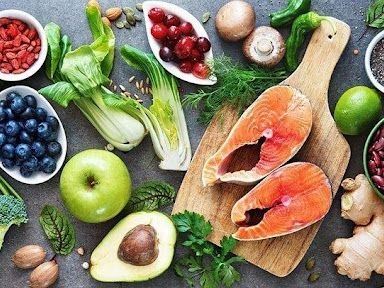
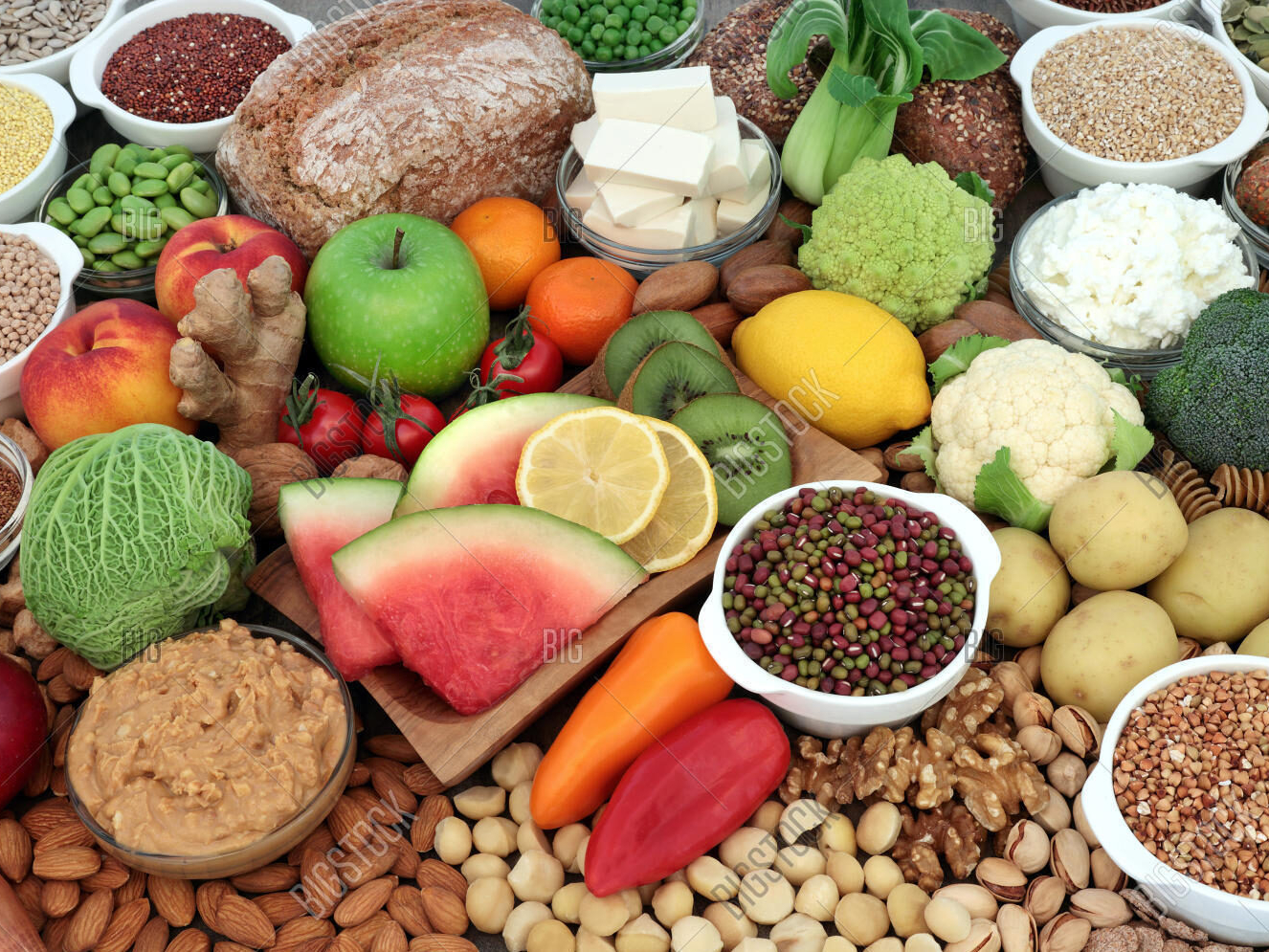
- Emphasis on fruits, vegetables, whole grains, legumes
- Olive oil as main fat
- Fish/seafood regularly; poultry, eggs, dairy in moderation
- Nuts and seeds
- Limited ultra-processed foods and added sugars
- Adequate carbs for performance
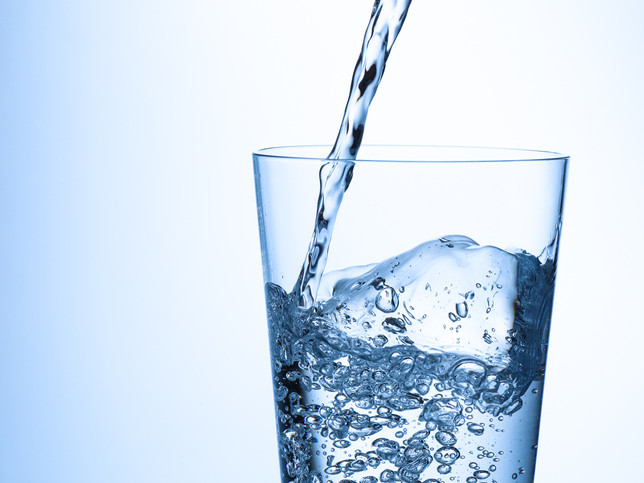
Super Water
Upon waking: : 6:00-7:15 am
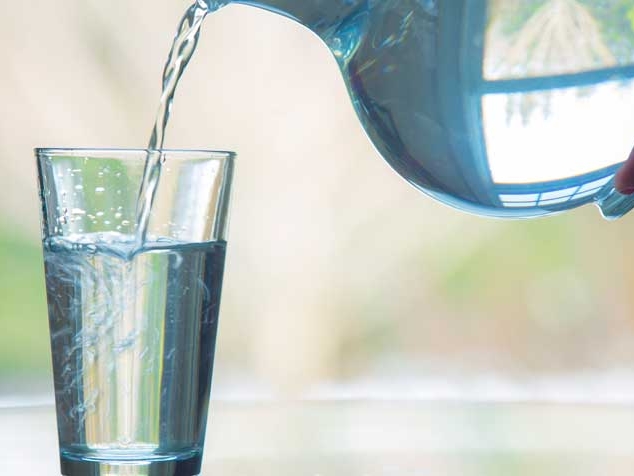
Ingredients: 12-160z glass of water. In addition add all or any of the following: salt, squeeze of lemon, chia seeds, apple cider vinegar, & local honey
Breakfast
Within 45 minute upon rising look to consume breakfast. Breakfast options are:
2000 kcal per day:
- Greek yogurt (1 cup) with berries (1 cup)
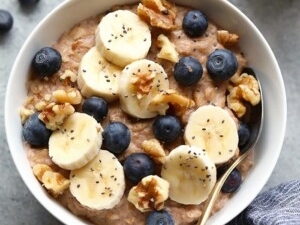
- Rolled oats (½ cup dry)
- Chopped walnuts (1 Tbsp)
- Honey (1 tsp)
3000 kcal per day:
- Rolled oats (1 cup dry) cooked in milk
- Banana
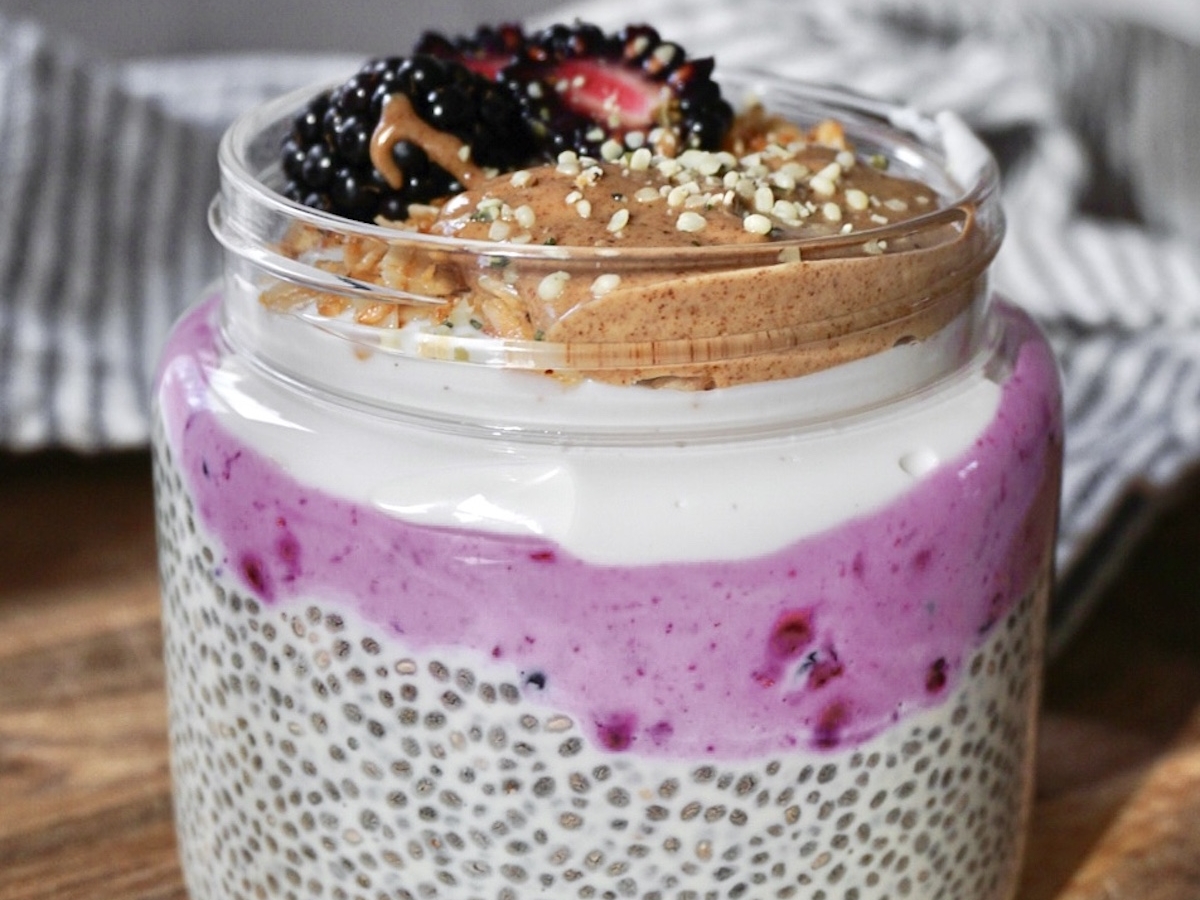
- Almond butter (2 Tbsp)
- Chia seeds (1 Tbsp)
4000 kcal per day:
- Rolled oats (1½ cups dry)
- Whole milk
- Banana + berries
- Almond butter (3 Tbsp)
- Honey (1 Tbsp)

Coffee and Green Tea
With or around breakfast add liquid intake with:
1 Double Espresso or cup of Americano Coffee
and
1 cup 6-8oz of Green Tea
Training
Start training 1 to 2 hrs after finishing breakfast
(9:30-10:00am)
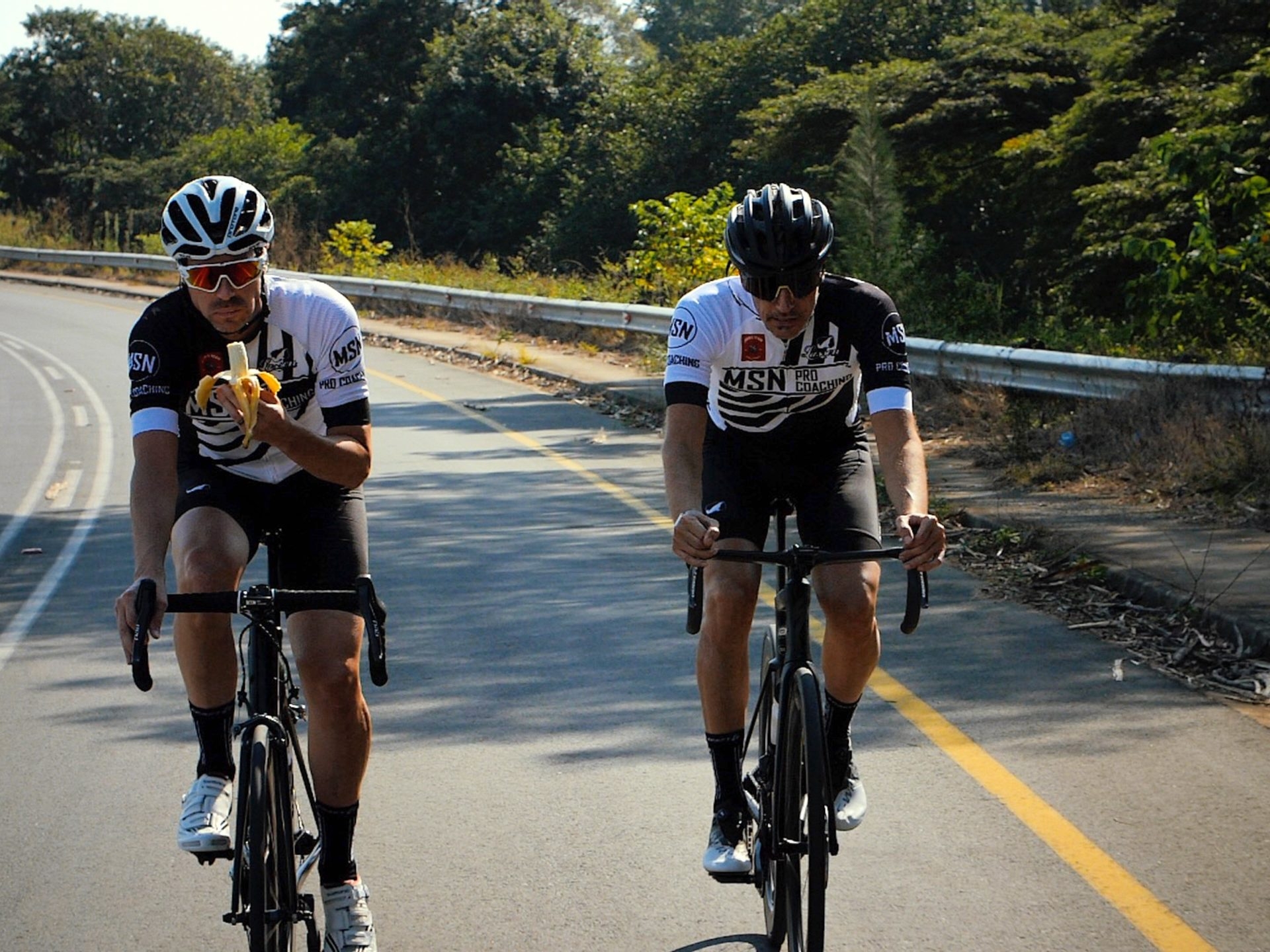
Consume liquids, bars, gels, gummies, dates, bananas, etc each hour of training according to your personalized activity burn rate.
Snack: Post Training
Consume after completion of training.
2000 kcals per day:
- Carrots + bell peppers
- Tzatziki or hummus (2 Tbsp)
3000 kcal per day:
- Whole-grain toast (2 slices)
- Avocado (½)
- Boiled eggs (2)
4000 kcal per day:
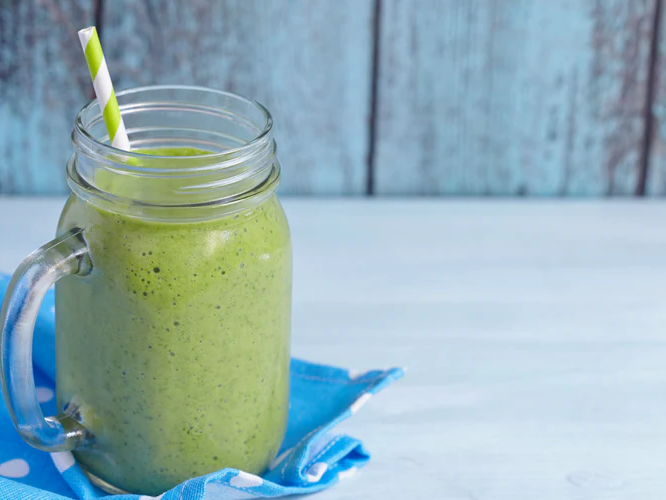
Smoothie:
- Greek yogurt
- Frozen fruit
- Oats (½ cup)
- Olive oil (1 Tbsp)
- Milk
Lunch
Lunch should be a balanced meal focused on carbohydrates during this phase of training.
Options include:
2000 kcals per day:
- Whole-grain pita
- Grilled chicken breast (3–4 oz)
- Hummus (2 Tbsp)
- Mixed veggies (tomato, cucumber, spinach)
- Olive oil drizzle (1 Tbsp)
3000 kcals per day:
- Brown rice (1½ cups cooked)
- Grilled chicken or turkey (5–6 oz)
- Roasted vegetables
- Olive oil (1½ Tbsp)
- Side salad with olives
4000 kcals per day:
- Farro or brown rice (2 cups cooked)
- Grilled salmon or chicken (7–8 oz)
- Roasted vegetables
- Olive oil (2 Tbsp)
- Whole-grain bread (1–2 slices)
Afternoon Snack
Snack Options:
2000 kcals per day:
- Apple
- Natural peanut butter (1 Tbsp)
3000 kcals per day:
- Greek yogurt (1½ cups)
- Granola (½ cup)
- Blueberries
4000 kcals per day:
- Trail mix (nuts + dried fruit, ~½ cup)
- Orange or apple
Dinner
Dinner Options include:
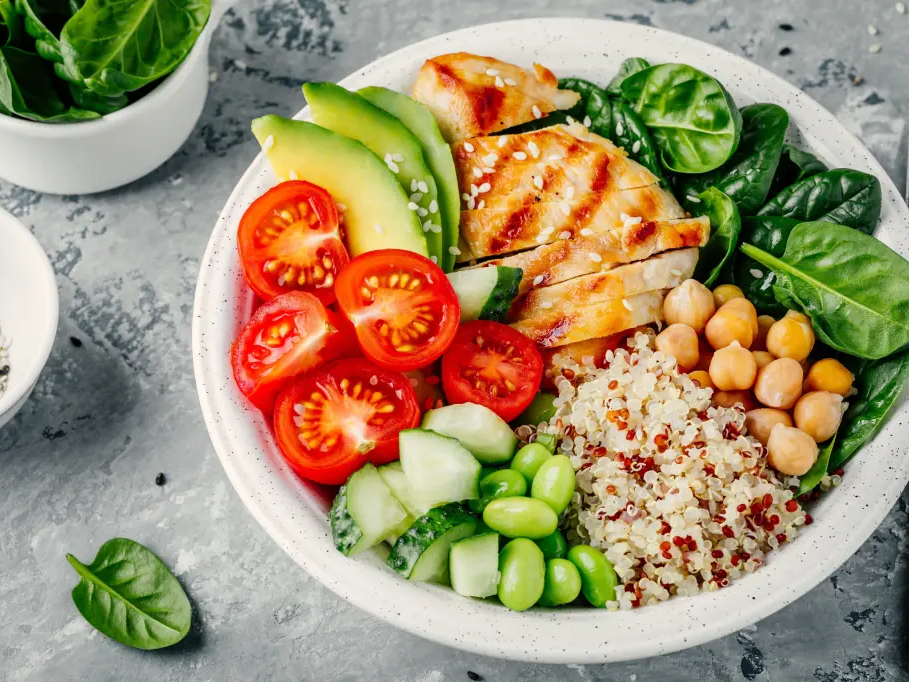
2000 kcal per Day:
- Baked salmon (4 oz)
- Quinoa (¾ cup cooked)
- Roasted vegetables (zucchini, peppers, onion)
- Olive oil (1 Tbsp)
3000 kcal per Day:
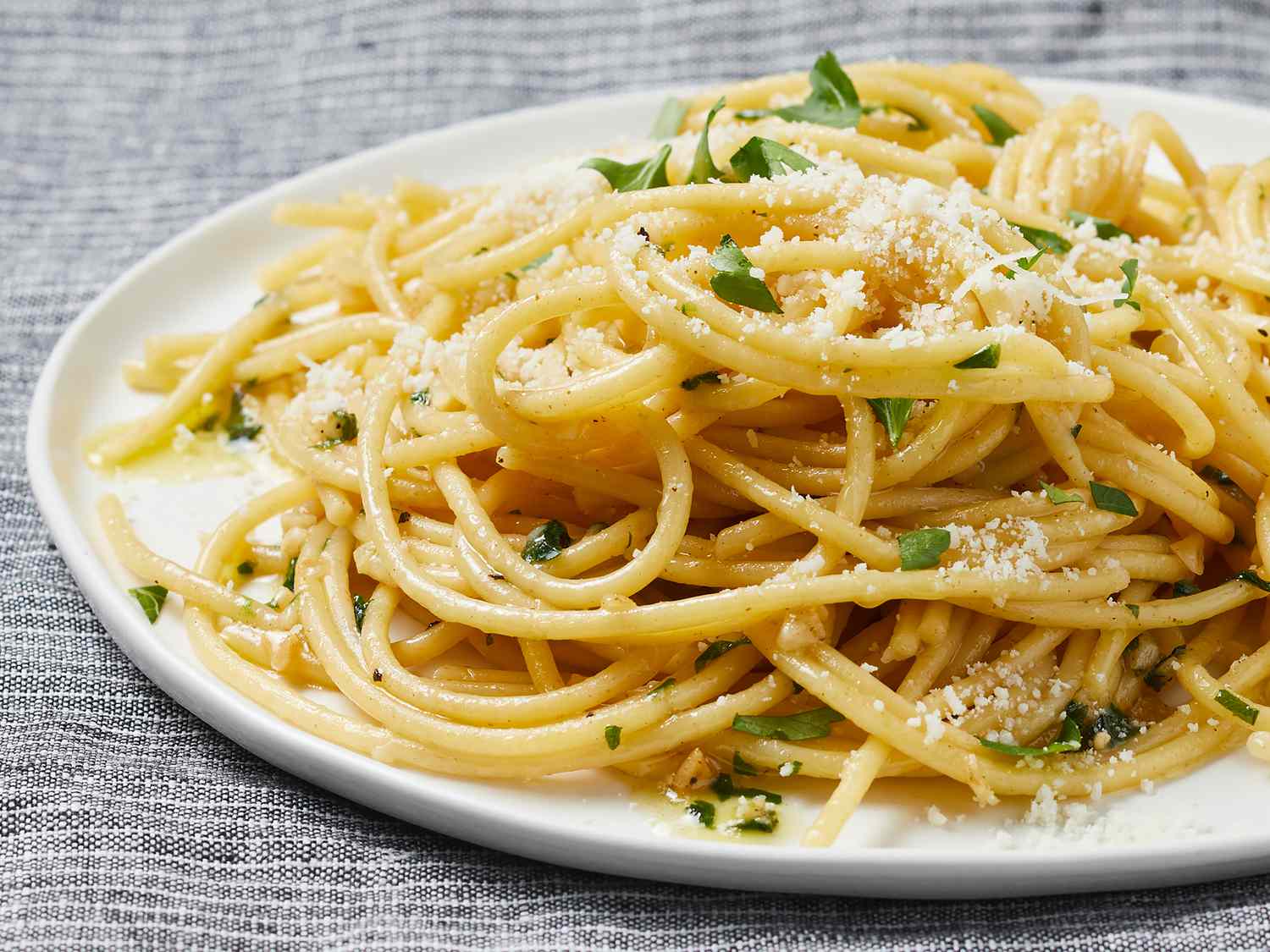
- Whole-wheat pasta (2 cups cooked)
- Tomato-olive oil sauce
- Shrimp or salmon (5 oz)
- Side of sautéed spinach
4000 kcal per Day:
- Whole-wheat pasta (3 cups cooked)
- Tomato sauce with olive oil
- Lean beef, chicken, or legumes (7–8 oz equivalent)
- Side salad with feta and olives
Evening Snack
Evening snack must be consumed no later than 2 hrs before plan sleep time.
Snacks include:
2000 kcal per Day:
- Dark chocolate (1 small square)
3000 kcal per Day:
- Cottage cheese or yogurt
- Fruit
4000 kcal per Day:
- Greek yogurt (1½ cups)
- Granola or honey
- Dark chocolate
Liquids
In addition to consuming liquids during training and during meal times. Make sure to take in adequate amounts of water throughout the day.
Reference your personalized hydration schedule but in general look to consume 64-82oz of water multiply times per day at 8-16oz increments.

Additional Notes:
- Carbs fuel training → don’t skimp, especially on hard days
- Protein spread throughout the day** supports recovery
- Olive oil, nuts, fish = healthy fats + anti-inflammatory benefits
- Hydration and salt intake matter, especially with sweating
- Hard days → **more carbs**
- Rest/light days → carbs can come down slightly
- Performance > perfection
Macro Nutrient Notes
2000 kcals per day:
- Enough protein for recovery
- Moderate carbs for daily training
- Olive oil, nuts, fish drive healthy fats
3000 kcals per day:
- Higher carb intake to support training volume
- Protein spread across meals/snacks
- Slightly lower fat % to prioritize fuel
4000 kcals per day:
- Very high carbs for endurance/strength demands
- Protein scaled up for muscle repair
- Fats still high enough for hormones and calories